From Salvage to Splendor: Craftsmanship That Transforms

Today we explore artisanal techniques to elevate reclaimed materials to luxury standards, moving beyond simple reuse toward meticulous transformation. Through patient hands, refined processes, and an insistence on provenance, waste becomes wonder. Expect practical methods, intimate workshop stories, and collector-minded details that empower sustainable elegance. You will learn how discerning selection, time-honored finishing, and measured innovation convert weathered wood, metals, glass, textiles, and leather into cherished heirlooms that command respect, endure scrutiny, and feel irresistibly special. Join the conversation by sharing your process in the comments, ask questions about specific materials, and subscribe for workshop notes, process breakdowns, and behind-the-scenes updates.

Sourcing With Intention

Everything begins before the first tool touches material. Curating reclaimed stock means verifying origin, assessing aging patterns, and anticipating structural behavior. By pairing historical context with rigorous inspection, artisans unlock beauty hiding beneath dust and oxidation. Responsible selection minimizes waste, honors previous lifecycles, and establishes a confident foundation for luxury-level work that can withstand discerning clients, bright showroom lighting, and decades of daily use without apology or compromise.
Documenting origin transforms material into narrative. Keep records of demolition sites, ships, barns, or ateliers, and preserve stamps, hardware, and tool marks. Certificates, photographs, and chain-of-custody notes reassure collectors that rarity is authentic, ethically obtained, and meaningfully connected to culture, craft, and place rather than a marketing afterthought.
Luxury outcomes rely on grading beyond surface impressions. Evaluate density, end-grain, moisture content, alloy composition, and fiber integrity. Test cuts, small polish patches, and bend trials reveal how far refinement can go before structural compromise, guiding design decisions that respect limits while amplifying character and value.
Relationships with deconstruction crews, salvage yards, and community workshops ensure consistent access to quality stock and fair pricing. Long-term agreements encourage careful dismantling, reduce damage, and create local jobs. Transparency fosters pride on every link of the chain, ultimately reflecting in calmer lead times and elevated finishes.

Wood: Refinement Beyond Restoration

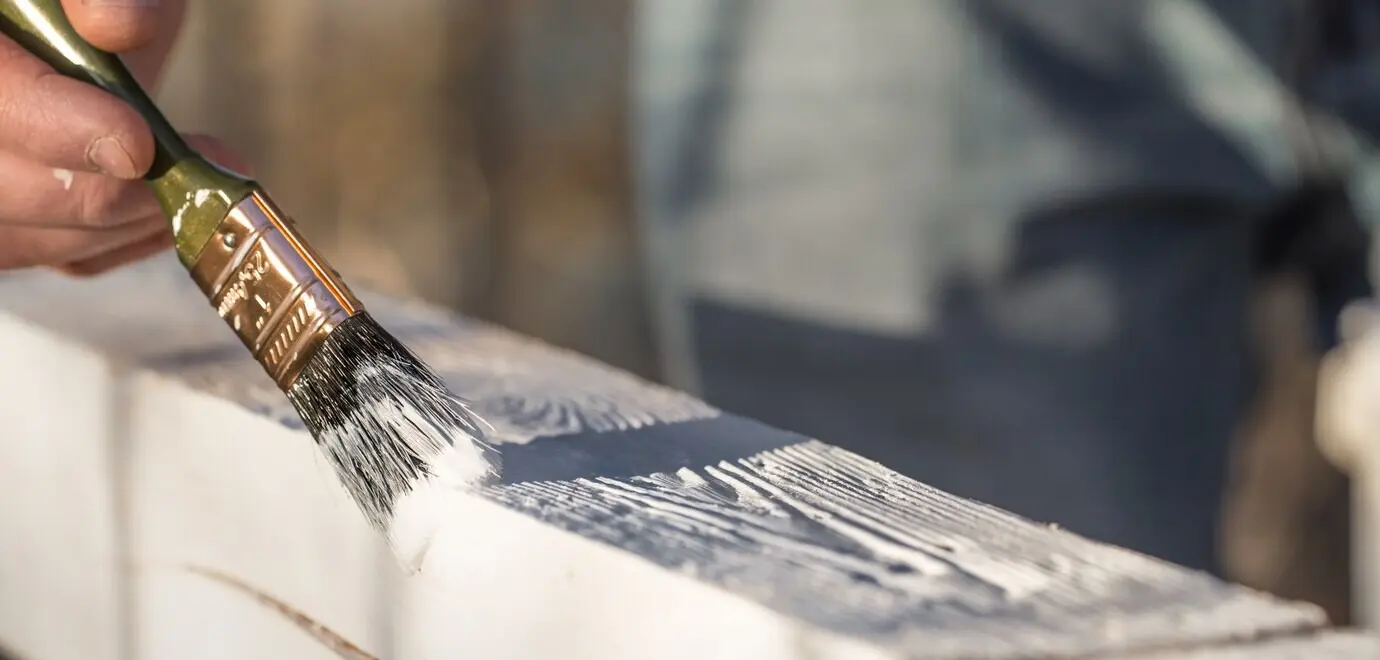
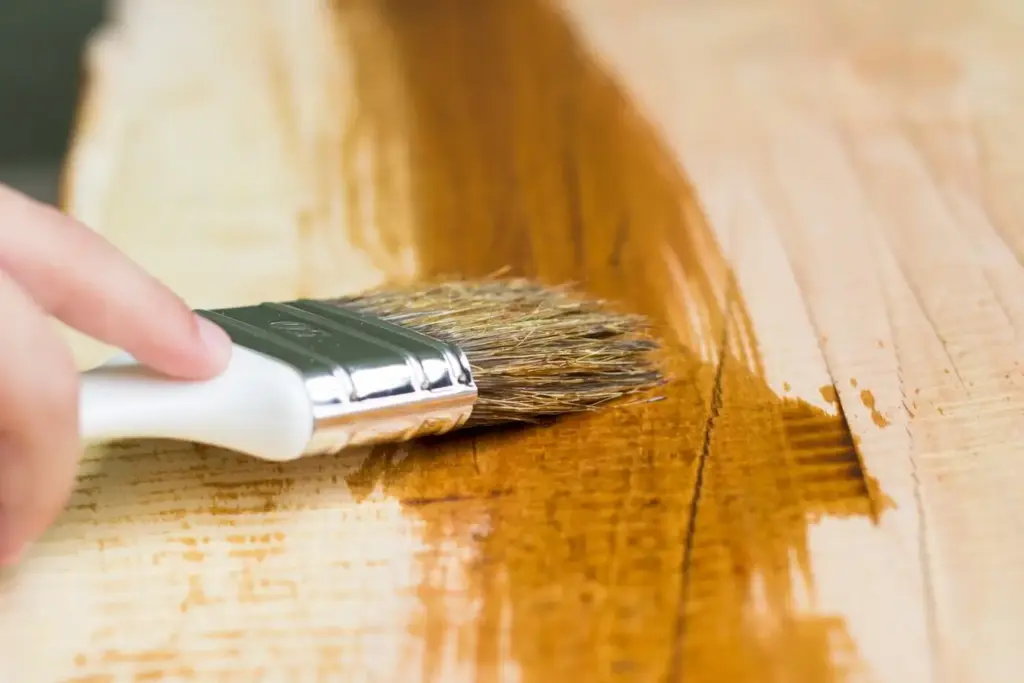
Reclaimed wood carries sun, rain, and human touch within its grain. Elevating it to indulgent standards requires techniques that deepen luster without erasing history: delicate repairs, pore-filling, judicious tinting, and disciplined finishing schedules that achieve piano-smooth surfaces while preserving irregularities that whisper provenance and invite fingertips.

Metals: Patina, Precision, and Permanence

Weathered metals demand restraint and science. Luxury results arrive when surface chemistry, micro-joining, and finishing sequences work in concert. Respecting existing patina, restoring structural integrity, and setting jewel-like highlights produce objects that feel both archeological and impeccably current, ready for spotlighted plinths or daily ritual use.

Controlled Patination for Noble Depth

Heat, acids, and salts are measured like perfume notes, layered in thin, predictable cycles. Neutralization, oiling, and microcrystalline wax lock tones without smothering texture. Selective burnishing on edges invites light to trace profiles, yielding richness that reads intentional rather than accidental corrosion reclaimed from harsher environments.

Micro-TIG Repairs That Disappear

Micro-TIG rigs allow pinpoint fusion with minimal heat-affected zones, preserving nearby patina. Filler selection based on alloy spectroscopy ensures color harmony after brushing and aging. Post-repair peening, planishing, and progressive abrasives erase witness lines so structure returns without calling attention to itself or past trauma.

Electroplated Accents on Salvaged Bronze

Instead of masking age, consider framing it. Targeted electroplating—palladium, gold, or rhodium—on high-touch interfaces introduces sparkle and wear resistance while leaving nearby oxidation intact. This contrast creates hierarchy, guiding hands and eyes, and communicates craftsmanship invested selectively where function and ceremony truly intersect.

Glass and Ceramics: Revelatory Repairs

Cracks and inclusions can become jewels rather than scars. Sensitive repair shifts perception from damage to destiny, using compatible materials and thermal discipline. When handled with humility and daring, once-fragile pieces earn museum-like serenity and tactile confidence suitable for intimate dining, luminous lighting, or contemplative display.

Contemporary Kintsugi with Ethical Gold

Using non-toxic urushi alternatives or responsibly sourced lacquer, joints are inlaid with fine gold powder that catches candlelight and morning sun alike. The repair celebrates survival, signaling value through deliberate contrast. Documentation clarifies materials for future conservators, aligning aesthetics with durability and ecological responsibility in equal measure.

Acid Etching and Cold Working

Micro-etching removes haze and graffiti from reclaimed glass while preserving original waviness that signals age. Diamond hand laps refine chips before cerium oxide brings optical clarity. The resulting surface feels velvety to touch yet throws crisp reflections, bridging heritage charm and precise contemporary expectations without sterile uniformity.

Optical Clarity Through Kiln Fire-Polish

Where cold work stalls, a carefully profiled kiln cycle can heal micro-scratches into transparency. Supports prevent deformation while oxygen control minimizes devitrification. After annealing, a final clean and hydrophobic coating protect the glow, empowering reclaimed panes or vessels to join luxury interiors without apology or qualification.

Textiles and Leather: Couture Upcycling

Fine handwork can coax couture presence from remnants and vintage finds. Stabilization, reweaving, and tonal restorations address structural weaknesses while elevating tactility. By pairing archival techniques with contemporary silhouettes, garments and accessories carry soul and polish, encouraging mindful ownership and long-term repair rather than disposable novelty-driven consumption.

Sashiko That Reads Like Haute Embroidery

Dense running-stitch constellations reinforce worn denim or canvas while drawing the eye with couture-level rhythm. Threads tinted a breath darker than base fabric create subtle relief. When placed along stress lines, the pattern becomes structural art, delivering longevity, comfort, and ceremonial beauty in everyday movement and light.

Reconditioning Aniline Leather

Aniline hides retain open pores that accept nuanced dye work and conditioning. After cleaning, custom-blended pigment washes even tone while preserving life. Edge painting, burnishing, and beeswax bring jewelry-like finishes to handles and trims, transforming softened, storied leather into pieces that feel tailored and confidently refined.

Handloom Reweaving with Luxury Fibers

Silk, cashmere, or ultrafine merino can be introduced into vintage cloth to reinforce thin areas. By matching twist, count, and sheen, the intervention disappears under natural light. The revitalized fabric drapes with authority, marrying historical patterning to modern durability and a touch of whispering, tactile opulence.

Quality Standards, Testing, and Certification
Luxury is not a feeling alone; it is repeatable performance documented with care. Dimensional tolerances, moisture stability, finish integrity, and emissions must be tracked. Third-party assessments and in-house protocols give clients confidence that beauty will survive transport, installation, and everyday life without tragic surprises or hidden compromises.

Narratives That Justify Price

Price becomes believable when every decision has a reason the owner can retell. Share hours of handwork, archival references, scientific tests, and human stories from demolition to final cloth wrap. The result is not hype, but grounded value communicated with elegance and generosity.

Limited Editions and Artist Signatures

Small batches allow nuance impossible in mass production. Numbered editions, maker’s marks, and discreet signatures establish intimacy while aiding authentication. When scarcity arises from difficulty, not artificial gating, collectors feel invited into stewardship, supporting realistic pricing, patient timelines, and the survival of demanding, time-honored techniques.

Inviting the Collector Into the Process
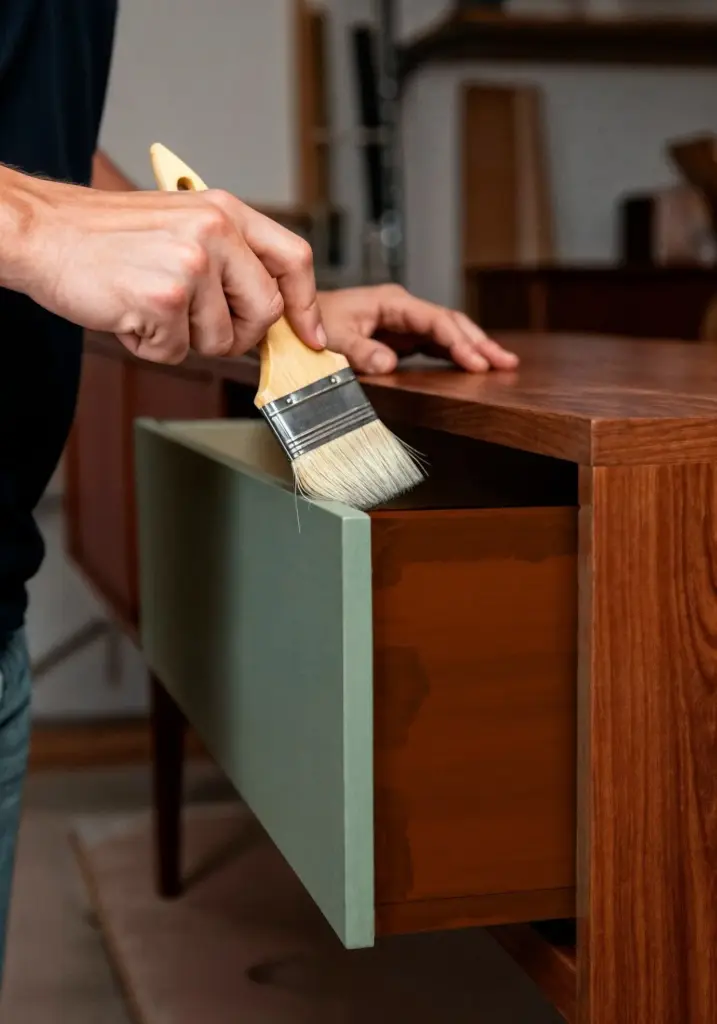
Open studio days, progress photographs, and care rituals turn ownership into partnership. Offer small choices—edge radius, patina intensity, thread hue—within a curated palette. By shaping together, clients become advocates, sharing their experience and returning for future commissions because the relationship feels personal, transparent, and consistently rewarding.
Vevelokilazaro
Privacy Overview

This website uses cookies so that we can provide you with the best user experience possible. Cookie information is stored in your browser and performs functions such as recognising you when you return to our website and helping our team to understand which sections of the website you find most interesting and useful.